
Iron Core
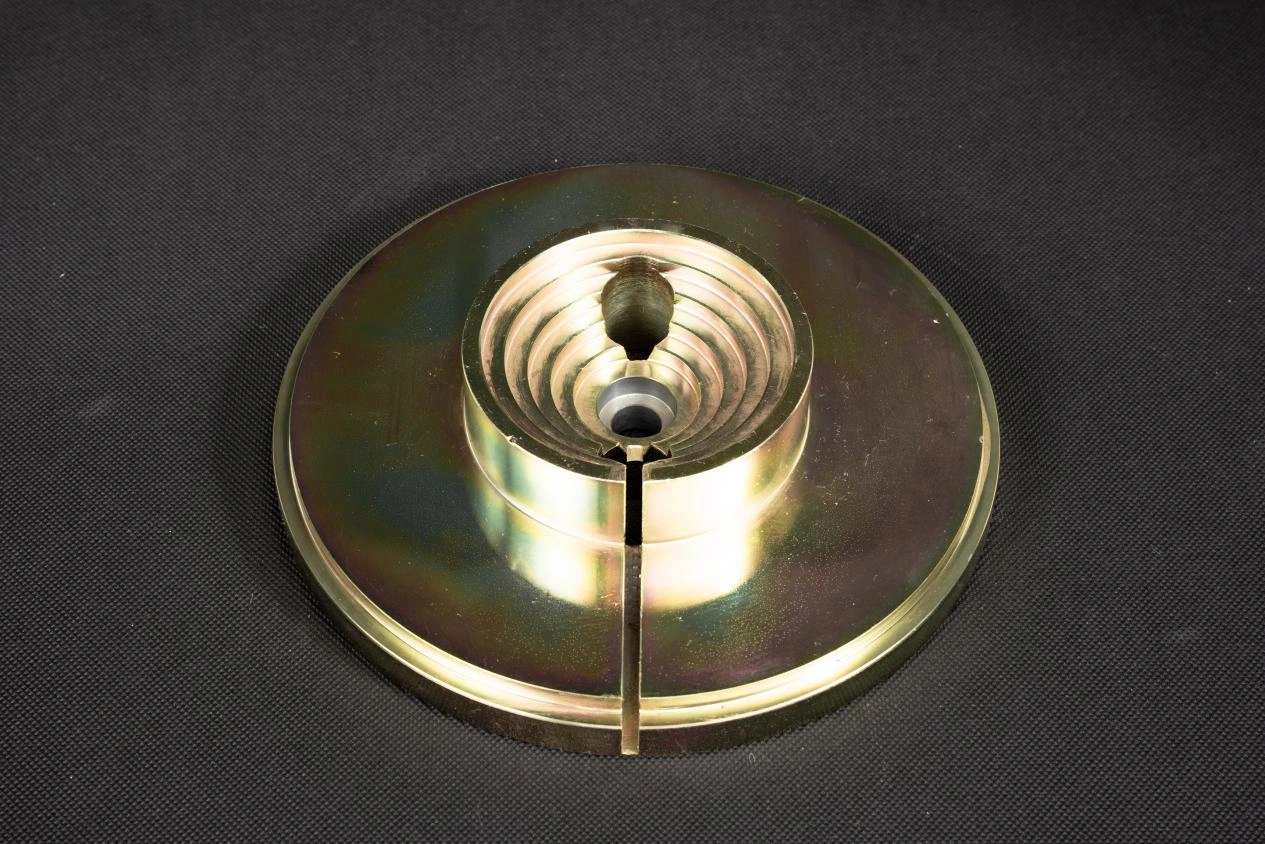
Carries load and shapes the electromagnetic side of the motor at the same time.
Elevator parts rarely fail for lack of strength alone; they fail when a load-bearing metal component also has to carry an electromagnetic or dimensional duty at the same time. Working as a precision CNC machining manufacturer, the shop die casts and machines iron cores, safety blocks, car frame structures and rail bracket parts, and the same team provides custom CNC machining services when an existing design needs an engineering adjustment rather than a new part number.
Part families
Four routes into the same shop floor. Identify which one matches your part, then follow the link to the detail that matters for your decision.
Carries load and shapes the electromagnetic side of the motor at the same time.
Sits in elevator safety systems, where load endurance and thermal stability are held over long high-stress cycles.
Structural and bracket parts that tie the car and the guide rail assemblies together.
Send the drawing and the application and the team reviews process route, tooling and fit.
Component profile
The Iron Core is described as a critical metal component that supports load-bearing and electromagnetic functionality. That combination is what makes the tolerances matter, and why the part is checked on more than one instrument.
 1 2 3 4 5
The part is specified to support load-bearing and electromagnetic functionality, so it is not judged on strength alone.
Production combines advanced CNC machining processes with die casting, which is how the shape and the finished interfaces are delivered together.
The core is engineered to strict dimensional tolerances to support component interchangeability and reduce quality inconsistencies between builds.
The modular structure is intended to allow installation without compromising existing system architecture, which matters when the elevator around it stays as it is.
Quality control runs through coordinate measuring machines, roughness testers and video measuring systems, and the part is described as holding dimensional stability after extended use.
Assembly context
The same part is tailored for four integration points. Each one changes what you should confirm before you approve a batch.
In motor assembly, the core is stated to contribute to stable rotor and stator function.
Buyer decisionIf a motor rebuild needs a core that keeps the magnetic path stable, send the stack drawing and the fit you need held, and confirm it in the prototype stage.
In safety blocks, the core is stated to support load endurance and thermal stability under prolonged high-stress conditions.
Buyer decisionIf the block sees long hold cycles, treat thermal behaviour and interface fit as the acceptance criteria rather than cosmetic finish.
The core is tailored for integration into car frame structures, where load-bearing performance carries the duty.
Buyer decisionIf the part ties into an existing car frame, ask for a fit check on the mounting faces before committing to repeat quantities.
The part is also stated for use in elevator rail bracket assemblies and safety systems.
Buyer decisionIf you are retrofitting an installed unit, the modular structure and dimensional stability matter more than production speed.
Scenario to specification
Read across the row that describes your job. The middle columns tell you what will be reviewed, and the last column names the production route that fits.
| Your scenario | What matters most | What to send | Production route |
|---|---|---|---|
| Traction motor core rebuild | Load-bearing plus electromagnetic function, and stability of the magnetic path | Motor stack drawing, mating bore and face details, quantity | Die casting + CNC machining |
| Safety block replacement | Load endurance and thermal stability under prolonged high-stress cycles | Block drawing, interface and mounting details | Die casting + CNC machining |
| Car frame and rail bracket parts | Interchangeability between units and consistent fit at the mounting faces | Bracket drawing, hole pattern, faces you need held | CNC machining |
| Prototype validation before committing | Confirming fit and function before the batch decision | 2D and 3D files plus a note on the application | Prototype validation |
| Maintenance upgrade of an installed unit | Installing without disturbing existing system architecture | Current part photograph plus a drawing if one exists | Modular design + CNC machining |
| OEM part manufacturing at volume | Tolerances that stay consistent across repeated lots | Drawing, specification, expected order pattern | Die casting + CNC machining |
Process path
Five stages describe how an elevator part moves through the shop. Inspection is built into the route rather than added at the end.
Files arrive with the application, so the part is read in the context it will work in.
Fit, tooling and process route are reviewed, and tailored engineering adjustments can be proposed for a different elevator design.
The part is positioned for prototype validations, so fit is proven before a batch commitment.
Coordinate measuring machines, roughness testers and video measuring systems check the geometry that matters.
The route continues into maintenance upgrades and OEM part manufacturing with the same inspection discipline.
Request for quote
The fastest route to a usable quote is a drawing plus the application it belongs to. Material grades and tolerance values are reviewed against your files rather than published as a fixed list.
Share the drawing first and describe how the part works in the elevator. Adjustments for a different elevator design are handled during quoting, and the modular structure is intended to install without disturbing the existing system architecture.
Keep adjacent product options together for a faster catalog comparison.

Direct factory wholesale for air pump 0101 connecting rod units. Our automotive CNC parts manufacturer expertise ensures precision-engineered, durable components for high-end vehic
View product
This is an automotive accessory, which is one of the parts for shock absorption and four-wheel balancing, requiring different angles of machining positions. It is generally used fo
View product
Source high-precision Air Pump 0104 Connecting Rod components from a professional Custom Metal Parts Manufacturer. Engineered for durable automotive systems.
View productreview the product details, images, and specifications presented on the official product page.
use the application and use-case information published on the official product page.
confirm the specifications and options listed for the exact product variant before placing an order.
check the official product page or ask the supplier about options shown for the selected product.
use the official contact or inquiry path provided on the site.
include the product page, intended use, required quantity, and any specifications you need the supplier to review.